

When it comes to the utilization of UV lamps, safety precautions are of utmost importance. As a seasoned UV lamp supplier, I've witnessed firsthand the significance of adhering to safety guidelines to prevent potential harm and ensure the optimal performance of these powerful tools. In this blog post, I'll delve into the essential safety measures that users should take when using UV lamps, covering aspects such as personal protection, environmental considerations, and proper usage techniques.
Personal Protection
One of the most critical safety precautions when using a UV lamp is to protect your skin and eyes from direct exposure to UV radiation. UV radiation can cause a range of health issues, including skin burns, premature aging, and an increased risk of skin cancer. Additionally, it can damage the eyes, leading to conditions such as photokeratitis (a painful inflammation of the cornea) and cataracts.
To safeguard your skin, it's essential to wear appropriate protective clothing. This includes long-sleeved shirts, long pants, and a wide-brimmed hat to shield your face and neck. Gloves made from UV-resistant materials should also be worn to protect your hands. When selecting protective clothing, look for items that are labeled as having a high UPF (Ultraviolet Protection Factor) rating, indicating their ability to block UV radiation.

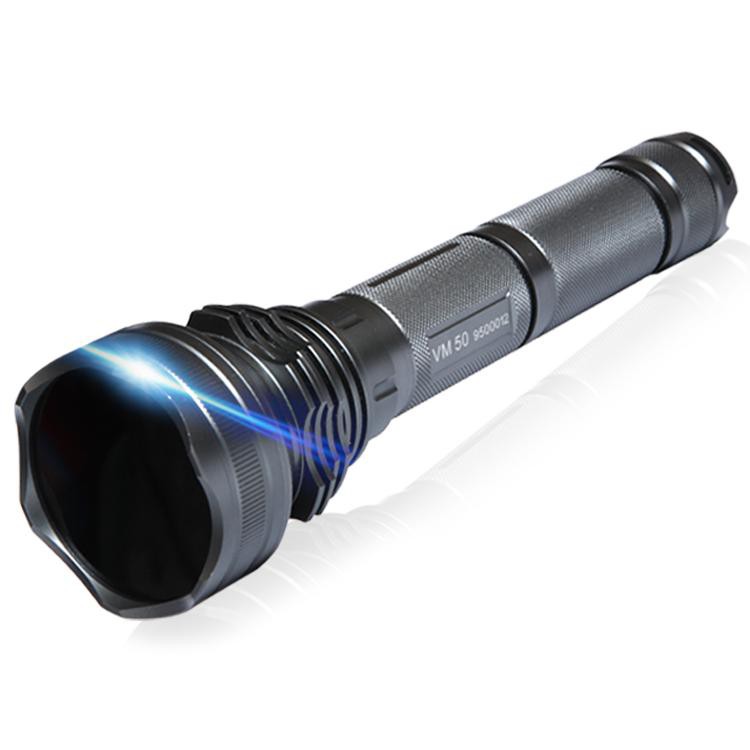
Eye protection is equally important. UV-blocking safety glasses or goggles should be worn at all times when operating a UV lamp. These should be specifically designed to filter out UV radiation and provide adequate coverage for the eyes and surrounding areas. Avoid using regular sunglasses, as they may not offer sufficient protection against UV rays emitted by the lamp.
Environmental Considerations
In addition to personal protection, it's crucial to consider the environment in which the UV lamp is being used. UV radiation can have a detrimental impact on certain materials and substances, so it's important to take steps to minimize these effects.
First and foremost, ensure that the area where the UV lamp is being used is well-ventilated. UV lamps can generate ozone, a harmful gas that can cause respiratory problems and irritation to the eyes and throat. Proper ventilation helps to disperse ozone and maintain a safe breathing environment. If possible, use the lamp in an area with open windows or doors, or use a ventilation system to remove the ozone from the air.
It's also important to be aware of the potential for UV radiation to damage nearby objects and materials. UV light can cause fading, discoloration, and degradation of plastics, rubber, and other sensitive materials. Keep these items away from the direct path of the UV lamp to prevent damage. If you need to use the lamp in an area where there are sensitive materials, consider using UV-blocking barriers or shields to protect them.
Proper Usage Techniques
Proper usage techniques are essential for ensuring the safe and effective operation of a UV lamp. Here are some key guidelines to follow:
- Read the manufacturer's instructions: Before using a UV lamp, carefully read and understand the manufacturer's instructions and safety guidelines. These will provide specific information about the lamp's features, operating procedures, and safety precautions.
- Inspect the lamp regularly: Before each use, inspect the UV lamp for any signs of damage or wear. Check the power cord, plug, and lamp housing for cracks, fraying, or other defects. If you notice any problems, do not use the lamp and contact the manufacturer or a qualified technician for assistance.
- Use the lamp at the appropriate distance: Different UV lamps have different recommended operating distances. Follow the manufacturer's instructions to ensure that you are using the lamp at the correct distance from the object or surface being treated. Using the lamp too close can increase the risk of overexposure to UV radiation, while using it too far away may result in ineffective treatment.
- Avoid direct exposure to the lamp: Do not look directly into the UV lamp or expose your skin to the direct beam of UV radiation. This can cause serious damage to the eyes and skin. Instead, use the lamp to illuminate the area or object you are working on from a safe distance.
- Turn off the lamp when not in use: When you are finished using the UV lamp, turn it off and unplug it from the power source. This will prevent accidental activation and reduce the risk of fire or electrical shock.
Specific Considerations for Different Types of UV Lamps
There are several different types of UV lamps available on the market, each with its own unique characteristics and safety considerations. Here are some specific tips for using two common types of UV lamps:
Handheld LED UV NDT Lamp
The Handheld LED UV NDT Lamp is a popular choice for non-destructive testing applications. These lamps are typically used to detect flaws, cracks, and other defects in materials such as metals, plastics, and composites.
- Follow the manufacturer's calibration instructions: Handheld LED UV NDT lamps need to be calibrated regularly to ensure accurate and reliable results. Follow the manufacturer's instructions for calibration and use a calibrated UV meter to verify the lamp's output.
- Use the lamp in a controlled environment: When using a handheld LED UV NDT lamp, it's important to control the lighting conditions in the testing area. Avoid using the lamp in bright sunlight or in areas with high levels of ambient light, as this can interfere with the detection of flaws.
- Handle the lamp with care: Handheld LED UV NDT lamps are delicate instruments and should be handled with care. Avoid dropping or subjecting the lamp to excessive shock or vibration, as this can damage the internal components and affect its performance.
Portable LED UV NDT Lamp
The Portable LED UV NDT Lamp is another type of UV lamp commonly used in non-destructive testing. These lamps are designed to be lightweight and easy to carry, making them ideal for on-site inspections and field work.
- Charge the battery fully: Portable LED UV NDT lamps are typically powered by rechargeable batteries. Before using the lamp, make sure the battery is fully charged to ensure optimal performance. Follow the manufacturer's instructions for charging the battery and avoid overcharging or discharging it.
- Protect the battery from extreme temperatures: Extreme temperatures can affect the performance and lifespan of the battery. Avoid exposing the lamp to high or low temperatures for extended periods of time, and store the lamp in a cool, dry place when not in use.
- Use the lamp in accordance with the battery's capacity: The battery capacity of a portable LED UV NDT lamp determines how long it can be used continuously. Be aware of the battery's capacity and plan your inspections accordingly. If the battery runs out of power during an inspection, recharge it before continuing.
Conclusion
Using a UV lamp can be a powerful and effective tool, but it's essential to take the necessary safety precautions to protect yourself and others. By following the guidelines outlined in this blog post, you can minimize the risks associated with UV radiation and ensure the safe and effective operation of your UV lamp.
If you're in the market for a high-quality UV lamp, I invite you to explore our range of products. As a trusted UV lamp supplier, we offer a wide selection of lamps to meet your specific needs and requirements. Whether you're looking for a handheld LED UV NDT lamp or a portable LED UV NDT lamp, we have the perfect solution for you.
Contact us today to learn more about our products and discuss your UV lamp requirements. Our team of experts is ready to assist you and help you find the right lamp for your application.
References
- American Conference of Governmental Industrial Hygienists (ACGIH). (2023). Threshold Limit Values (TLVs) for Chemical Substances and Physical Agents and Biological Exposure Indices.
- Occupational Safety and Health Administration (OSHA). (2023). Ultraviolet Radiation.
- International Electrotechnical Commission (IEC). (2023). Safety requirements for lamps and lamp systems - Part 2-2: Particular requirements for ultraviolet lamps and lamp systems.