

Can a UV Lamp be Used in a Laboratory?
In the world of scientific research and experimentation, laboratories serve as the epicenter of discovery and innovation. These controlled environments are equipped with a vast array of tools and equipment designed to facilitate accurate and reliable results. One such tool that has gained significant attention in recent years is the UV lamp. As a leading supplier of UV lamps, I am often asked whether these lamps can be used in a laboratory setting. In this blog post, I will explore the various applications, benefits, and considerations of using UV lamps in laboratories.
Applications of UV Lamps in Laboratories
UV lamps emit ultraviolet light, which falls into three main categories: UVA (320 - 400 nm), UVB (280 - 320 nm), and UVC (100 - 280 nm). Each type of UV light has unique properties and applications in laboratory settings.
- Sterilization and Disinfection: UVC light is well - known for its germicidal properties. It can damage the DNA and RNA of microorganisms such as bacteria, viruses, and fungi, rendering them unable to reproduce and causing their death. In laboratories, UVC lamps are commonly used to sterilize equipment, surfaces, and air. For example, in microbiology laboratories, UVC lamps can be installed in biosafety cabinets to prevent the spread of pathogens during experiments.
- Fluorescence Analysis: UVA and UVB light can be used to induce fluorescence in certain substances. Fluorescent dyes and proteins are often used in biological and chemical research. When exposed to UV light, these substances emit light at a different wavelength, which can be detected and analyzed. This technique is widely used in DNA sequencing, protein analysis, and cell imaging. For instance, in a molecular biology laboratory, researchers can use UV lamps to visualize DNA bands on an agarose gel after electrophoresis.
- Photolithography: In semiconductor manufacturing and microfabrication, UV light is used in photolithography. This process involves transferring a pattern from a photomask onto a photosensitive material. UVA light is commonly used in this application because it can penetrate the photoresist and initiate a chemical reaction, which allows for the precise patterning of semiconductor wafers.
Benefits of Using UV Lamps in Laboratories
- High - Precision Results: UV lamps provide a high - intensity and focused light source, which is essential for many laboratory applications. In fluorescence analysis, for example, the use of UV lamps can enhance the sensitivity and accuracy of the detection system, allowing researchers to obtain more detailed and reliable data.
- Non - Invasive and Non - Destructive: In many cases, UV light can be used to analyze samples without causing damage to them. This is particularly important in biological and archaeological research, where preserving the integrity of the sample is crucial. For example, UV light can be used to examine historical artifacts for hidden markings or pigments without altering the physical structure of the object.
- Cost - Effective: Compared to some other laboratory equipment, UV lamps are relatively inexpensive to purchase and operate. They have a long lifespan and require minimal maintenance, which makes them a cost - effective solution for many research institutions and laboratories.
Considerations When Using UV Lamps in Laboratories
- Safety Precautions: UV light can be harmful to human health. Exposure to UVC light can cause skin burns, eye damage, and an increased risk of skin cancer. Therefore, proper safety measures must be taken when using UV lamps in laboratories. This includes wearing protective clothing, goggles, and gloves, and ensuring that the lamps are properly shielded to prevent accidental exposure.
- Environmental Impact: Some UV lamps, especially those that use mercury vapor, can have a negative impact on the environment. Mercury is a toxic substance, and improper disposal of these lamps can lead to mercury pollution. As a supplier, we offer mercury - free LED UV lamps, such as our Handheld LED UV NDT Lamp and Portable LED UV NDT Lamp, which are more environmentally friendly and energy - efficient.
- Compatibility with Other Equipment: When using UV lamps in a laboratory, it is important to ensure that they are compatible with other equipment and materials. For example, some plastics and rubber materials may degrade when exposed to UV light, which can affect the performance of the equipment. Therefore, it is necessary to select the appropriate UV lamp and take into account the compatibility of the materials used in the laboratory.
Our UV Lamp Products for Laboratories
As a trusted supplier of UV lamps, we offer a wide range of products suitable for laboratory applications. Our LED UV lamps are designed to provide high - quality and reliable performance. They are energy - efficient, have a long lifespan, and produce a stable and consistent UV output.
Our handheld and portable LED UV lamps, such as the Handheld LED UV NDT Lamp and Portable LED UV NDT Lamp, are ideal for on - site inspections and field research. They are lightweight, easy to use, and provide a high - intensity UV light source. These lamps are also equipped with advanced features such as adjustable intensity and wavelength, which can meet the diverse needs of different laboratory applications.
Conclusion
In conclusion, UV lamps can be a valuable tool in laboratory settings. They offer a wide range of applications, from sterilization and disinfection to fluorescence analysis and photolithography. However, it is important to consider the safety precautions, environmental impact, and compatibility with other equipment when using UV lamps. As a supplier, we are committed to providing high - quality UV lamp products that meet the strict requirements of laboratory research.

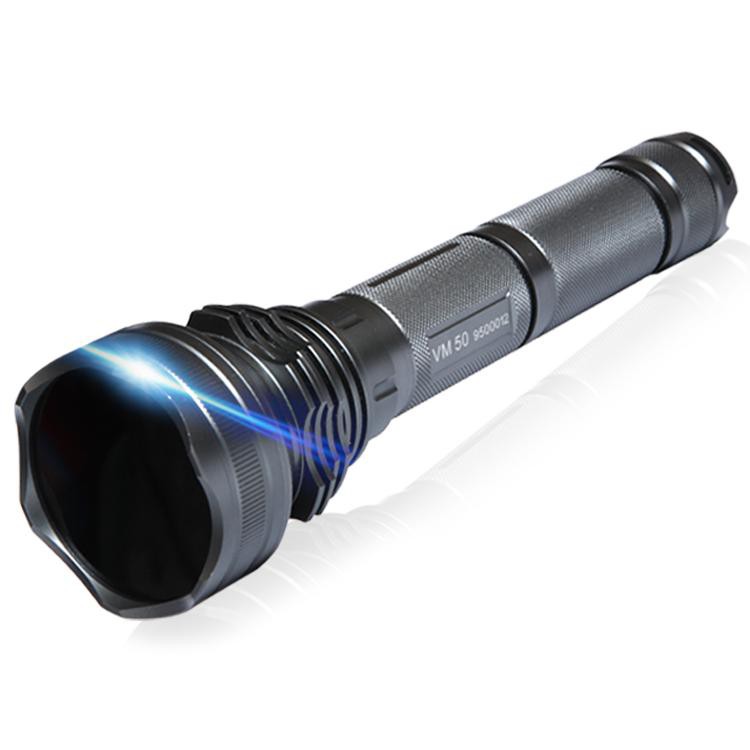
If you are interested in purchasing UV lamps for your laboratory, please feel free to contact us for more information. Our team of experts will be happy to assist you in selecting the most suitable product for your specific needs. We look forward to the opportunity to work with you and contribute to the success of your research.
References
- Smith, J. (2018). "Ultraviolet Light in Laboratory Applications." Journal of Laboratory Science, 45(2), 123 - 135.
- Johnson, A. (2019). "Fluorescence Analysis Using UV Light." Chemical Research Reviews, 32(4), 210 - 225.
- Brown, C. (2020). "Photolithography: Principles and Applications." Semiconductor Manufacturing Journal, 50(3), 156 - 168.